


LEAX algorithm for leak pre-localisation
LEAX is an umbrella term representing a series of algorithms that form the technological core of the solutions developed by our company. LEAX algorithms are artificial intelligence systems specifically designed to identify areas most likely to suffer from leaks, inefficiencies within networks and instances of unauthorised use. Losses may be physical, as in the case of water or gas networks, or take the form of power losses, as in the case of electricity networks.
Although LEAX can be applied to various types of infrastructure, the objective remains the same: to ensure that everything sent over the network actually reaches its destination, whilst minimising data loss along the way as much as possible.
The use of Artificial Intelligence (AI) algorithms in the management of water, gas and electricity networks represents one of the most significant developments in the technological infrastructure sector. These networks, which by their very nature are extensive, complex and often outdated, now require advanced monitoring and analysis systems capable of handling enormous amounts of data, identifying anomalies in real time and supporting strategic decisions focused on efficiency, safety and economic and environmental sustainability.
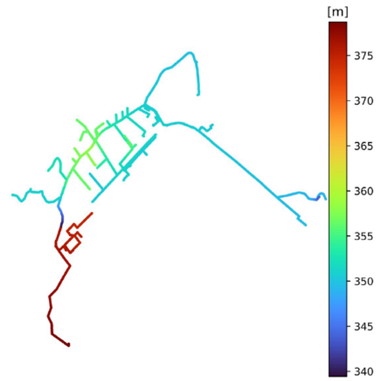
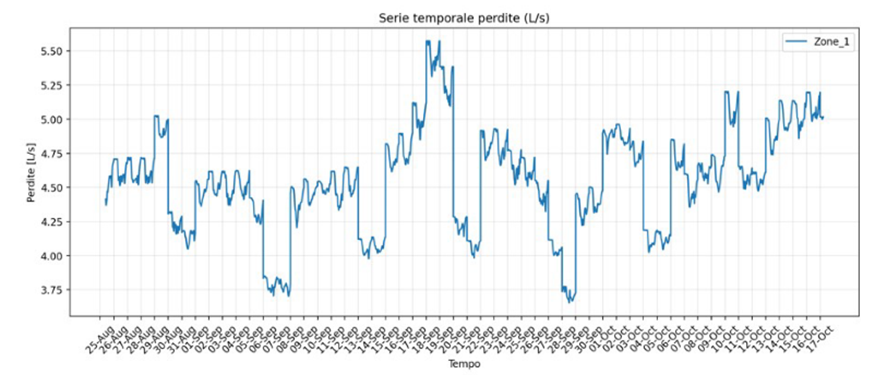
When applied to utility networks, the Leax algorithm functions first and foremost as a data integration and analysis system. Modern networks are increasingly equipped with sensors, smart meters, IoT devices, SCADA systems and remote control platforms that continuously collect information on flow rates, pressures, voltages, temperatures, consumption, operating statuses and environmental conditions. AI is capable of aggregating these diverse data streams, normalising them and analysing them continuously, thereby overcoming the limitations of traditional monitoring systems based on fixed thresholds or manual analysis.
When monitoring flows and consumption, the Leax machine learning algorithm can learn the network’s ‘normal’ behaviour over time. By analysing historical and real-time data, the AI builds predictive models that take into account variables such as seasonality, weather conditions, usage patterns, user characteristics and network configuration. This makes it possible to distinguish between normal fluctuations in consumption and anomalous ones, enabling the early detection of suspicious situations that could indicate leaks, faults, tampering or misuse of resources.
One of the most innovative aspects of the Leax algorithm when applied to technological networks is its ability to promptly flag critical issues. Unlike traditional systems, which often rely on static alarms or periodic checks, the AI uses dynamic models that are continuously updated. When the system detects a significant deviation from expected behaviour, it generates priority alerts, classifying anomalies according to their severity, urgency and potential impact. This enables operators to respond more quickly and effectively, reducing downtime and the costs associated with faults.
In addition to monitoring and diagnostics, AI is an extremely powerful tool for the targeted allocation of investment. Water, gas and electricity networks require substantial financial resources for maintenance, modernisation and expansion, but the budgets available are often limited. Artificial intelligence algorithms can support decision-makers by analysing the overall condition of the network, the frequency and type of faults, the associated financial losses and the level of risk to safety and service continuity.
Using multi-criteria analysis models, the Leax algorithm is able to identify the most critical sections of the network and simulate various investment scenarios. For example, it can compare the cost of a one-off repair with that of a complete replacement of the pipe or cable, estimating the benefits in terms of reduced losses, increased reliability and an extended service life for the infrastructure. This approach enables a shift from reactive management to strategic planning based on objective data and reliable forecasts.
A further advantage of AI is its ability to support the sustainable management of networks. By reducing water and energy losses, optimising flows and improving overall efficiency, these algorithms help to minimise the environmental impact of infrastructure. In the case of water, this means conserving an increasingly precious resource and reducing the energy required for treatment and pumping. In the energy sector, it means limiting climate-changing emissions and facilitating a transition towards more resilient and intelligent systems.
Finally, the adoption of AI algorithms also improves transparency and the quality of service for end-users. A better-monitored and more predictable network helps to reduce outages, service disruptions and waste, thereby boosting trust in network operators and making it easier to comply with regulations and meet performance targets. In this sense, artificial intelligence is not merely a supporting technology, but a genuine enabler of a new model for managing technological networks: one that is smarter, more secure, more efficient and future-oriented.

In the electricity sector, artificial intelligence is particularly effective at monitoring loads, energy losses and the condition of infrastructure. Algorithms continuously analyse data from substations, transformers, power lines and end-users, identifying overloads, phase imbalances, voltage anomalies and overheating. By also integrating thermographic and electrical diagnostic data, AI can predict component degradation and the risk of faults, supporting predictive rather than reactive maintenance strategies.

In the case of water networks, for example, the Leax algorithm can compare the volumes fed into the network with those actually billed or measured at distribution points and end users. By analysing persistent or sudden discrepancies, the system is able to estimate the level of water loss and pinpoint the most critical areas. AI can also correlate flow and pressure data with information from acoustic sensors, correlators or noise loggers, increasing the accuracy of leak detection and drastically reducing response times.


In gas networks, AI plays a vital role in risk prevention and safety. Algorithms can analyse data on pressure, flow rate and gas composition in real time, identifying minute variations that might escape the notice of traditional systems. By cross-referencing this information with environmental data, historical fault records and pipeline characteristics, AI is able to flag up potential leaks or hazardous conditions before they become apparent, enabling prompt and targeted action.

When actual data deviates from this expected behaviour, the algorithm is able to detect anomalies that indicate possible leaks or losses. It does not merely flag up that there is a problem, but helps to pinpoint where it is occurring, thereby reducing the area requiring inspection and making interventions quicker and more effective.
Thanks to the LEAX algorithm, network data becomes a practical tool for decision-making. Operators can move from assumption-based management to evidence-based management, thereby reducing costs, improving operational efficiency and increasing the reliability of services.